October 10, 2026
How Answer Engine Optimization Is Changing SEO Strategy
By @answerengineoptimizationlife
The Shift from Search to Answers
For years, SEO meant optimizing for Google. You targeted keywords, built links, and hoped your page would land in the top three results. That model still works, but it is no longer the only game in town. The rise of generative AI and conversational search has introduced a new layer: answer engine optimization. This is not a replacement for traditional SEO, but it is a shift in how we think about content relevance and query intent.
When I started out in SEO, the biggest worry was whether your page could rank for a head term. Now the concern is whether your content can be pulled into a featured snippet, a knowledge graph, or a direct answer from ChatGPT or Perplexity AI. These systems do not just rank pages. They extract and synthesize answers. If your content is not structured for that, you are invisible in the very places where users are finding answers fast.
What Answer Engine Optimization Actually Means
Answer engine optimization is the practice of tailoring content so that AI-driven systems can extract, contextualize, and present it as a direct answer. It is not about gaming algorithms. It is about making your information easy to find, understand, and repurpose. Think of it as structured clarity. When a user asks a question in SearchGPT or Bing, the engine does not just match keywords. It looks at entity salience, semantic relationships, and the overall trustworthiness of the source.
One practical example: a travel site that wrote a guide about packing for monsoon season. The article was long and thorough, but it buried the key points under personal anecdotes. After we reorganized the content with clear headings, short answers to common questions, and structured data for the packing list, the same article started appearing in featured snippets on Google and as a direct answer in Perplexity AI. Traffic from zero-click search went up even though organic clicks dropped slightly. That is the trade-off. You get visibility, but you may not get the click. For brands that need to be seen as authoritative, that visibility matters.

How Search Engines and AI Engines Differ
Traditional search engines like Google and Bing have always aimed to provide the best link. But with the introduction of BERT and MUM, Google started understanding context and intent at a much deeper level. Those updates made natural language processing a core part of ranking. Now, with SGE (Search Generative Experience) and tools like ChatGPT, the goal shifts from showing ten blue links to giving one synthesized answer. That is where answer engine optimization comes in.
In a standard Google search, you optimize for the snippet. In an AI engine, you optimize for the whole answer. That means your content must be logically organized, factually precise, and written in a way that an AI can parse without losing the meaning. It also means building topical authority. If you have a cluster of well-written articles on a subject, the engine is more likely to pull from your site rather than a competitor who has one shallow page.
Practical Tactics for Answer Engine Optimization
I have been applying these tactics for clients across e-commerce and local SEO. Here are the ones that deliver the most consistent results:
- Focus on query intent first. Before you write anything, ask yourself: what question is the user actually trying to answer? If the query is "best running shoes for flat feet," the answer is not a list of shoes. It is an explanation of pronation, support features, and then the shoes. Structure your content to answer the core question in the first 100 words.
- Use structured data correctly. Schema markup like FAQ, HowTo, and Product helps engines understand the components of your page. Google Search Central has clear guidelines on this. If you do not mark up your content, you are leaving it to the AI to guess what matters.
- Build entity salience. Do not just repeat a keyword. Connect your content to known entities. If you write about "answer engine optimization," mention related entities like semantic search, natural language processing, and knowledge graph. That signals to the engine that your page is about the broader topic, not just a string of words.
- Write for the featured snippet. Even if the snippet is not your main goal, the same clarity that wins a snippet also helps answer engines. Use bullet points, tables, and short paragraphs. Avoid long, run-on sentences.
- Monitor zero-click search trends. If your content appears in a snippet but gets zero clicks, that is not a failure. It is a different kind of success. Track brand mentions and impressions in those results. Sometimes the visibility is more valuable than the click.
E-E-A-T and Trust Signals
Google's E-E-A-T framework is not just for YMYL pages. Every AI engine that pulls content evaluates the trustworthiness of the source. If your site has no author bios, no contact page, and no clear expertise, the engine may still show your content, but it will weigh it lower. I have seen sites with strong topical authority and clear authorship get pulled into ChatGPT responses more often than sites with thin content and no credentials.
One thing I tell clients: do not treat answer engine optimization as a separate checklist. It is an extension of good SEO. If you are already writing clear, well-structured content with proper markup, you are most of the way there. The difference is that you now have to think about how your content reads to an AI that is trying to summarize it in two sentences.

The Role of Content Relevance and Semantic Search
Semantic search is the backbone of answer engines. Google's BERT update in 2019 was a big step. It taught the engine to consider the context of words, not just the words themselves. MUM went further by understanding language across modalities. Now, with SGE, the engine can generate answers that combine text, images, and links.
For content creators, this means you cannot rely on keyword density anymore. You have to write about the topic comprehensively. If you are writing about "answer engine optimization," your article should also cover related concepts like query intent, entity salience, and structured data. That breadth signals to the engine that you have real expertise. It also helps the engine understand which parts of your content are most relevant for a given question.
I have seen this work in practice. A client in the home services space had a single page about "how to fix a leaky faucet." It ranked well for that exact query, but it never appeared in any answer boxes. We rewrote it as a longer guide that covered tools, steps, common mistakes, and when to call a plumber. We added structured data for the steps. Within two weeks, the page started appearing in featured snippets on Google and in answer summaries on Bing. The traffic from the snippet was not huge, but the page became the go-to resource for that topic. That is the real value of answer engine optimization. It builds authority.
Trade-Offs and Judgment Calls
Not every piece of content needs to be optimized for answer engines. If you are writing a deeply analytical piece that requires the reader to follow a long argument, a direct answer may not serve the user well. In those cases, you should still write clearly, but do not force a snippet-style structure. The engine will still index your content, but it may not pull it as a direct answer. That is fine.
Another trade-off: optimizing for answer engines can sometimes reduce the uniqueness of your voice. If every paragraph is written to be extracted, the article can feel dry. My approach is to write the article naturally first, then go back and mark the sections that could serve as standalone answers. Those sections get tightened, but the surrounding text keeps its personality. The engine gets its clear answer, and the reader gets a human voice.
Looking Forward
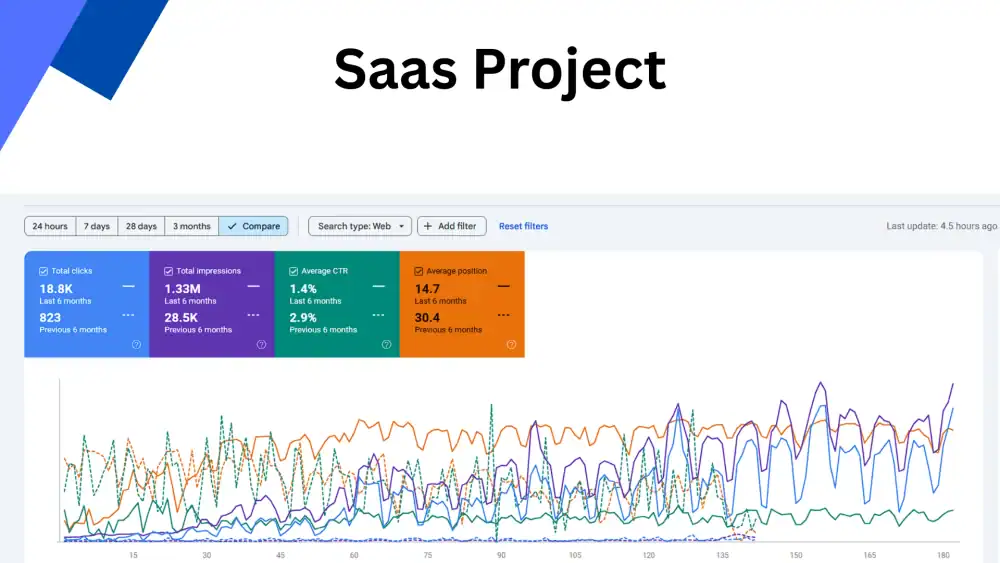
I expect answer engine optimization to become a standard part of SEO, not a niche tactic. As more users turn to ChatGPT, Perplexity AI, and SearchGPT for quick answers, the sites that appear in those answers will have a significant advantage. The ones that ignore this shift will still get traffic from traditional search, but they will miss the growing segment of users who never click a link.
If you are not already thinking about how your content looks to an AI that is summarizing it, start now. Audit your top pages. Ask yourself: if someone asked a question about this topic, would my page be the one the engine pulls? If the answer is no, you have work to do. That work is answer engine optimization, and it is worth the effort.
❧